Yükleniyor…
Yükleniyor…
DINING & DESTINATIONS
For international visitors, Türkiye's modern dining and hospitality story has often begun, and ended, with Istanbul.
The logic is understandable. Few cities can match its density of history, culinary traditions, neighbourhood life, contemporary restaurants and dramatic geography. Istanbul does not merely contain many versions of Türkiye; it places them in constant conversation.
But a country cannot be fully understood through one city, however extraordinary that city may be.
Across Urla, Bodrum, Cappadocia and other regions, a new hospitality map is becoming visible. Its most compelling places are not attempting to reproduce Istanbul at a smaller scale. They are building identities around their own landscapes, agricultural traditions, architecture and pace.
Urla's rise has not been driven by a single restaurant.
It comes from the relationship between many things: vineyards, olive groves, coastal produce, small farms, old stone buildings and a generation of chefs interested in working close to their ingredients.
The result is a dining culture that feels inseparable from the peninsula.
Vino Locale's promotion to two MICHELIN stars in the 2026 Türkiye selection gave the region a new level of international visibility. The restaurant's approach combines local and seasonal produce with broader Asian and Mediterranean influences, while its wine programme places particular emphasis on producers connected to Urla's own wine route.
The award matters, but it is not the source of Urla's identity.
That identity was built through the patient work of growers, winemakers, chefs and hosts who recognised that regional ingredients do not need to be disguised in order to feel contemporary. Technique can travel. The sense of place should remain.
Urla's real achievement may be that visitors increasingly travel there not simply to eat at one restaurant, but to understand a complete gastronomic landscape.
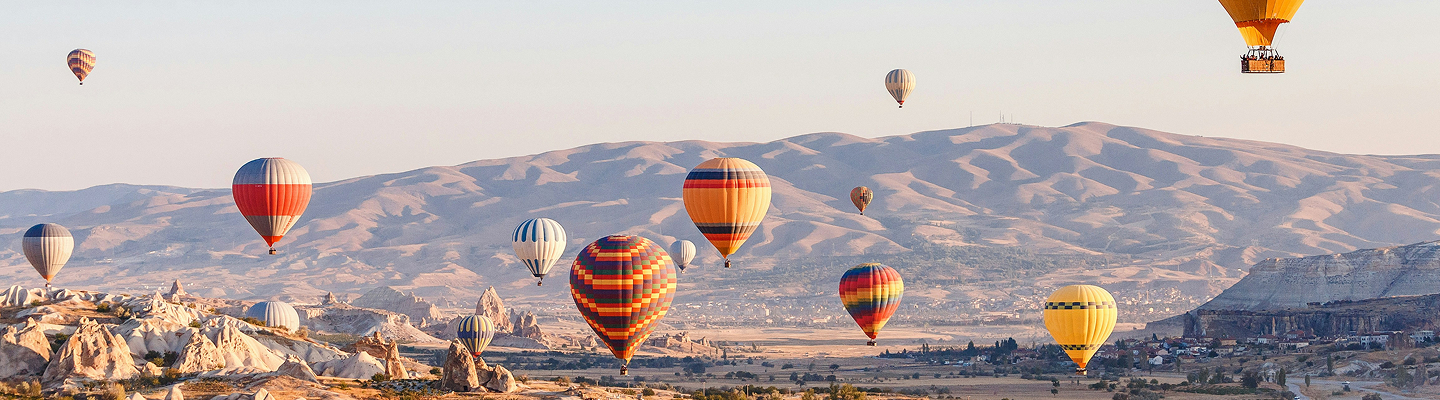
Cappadocia has never lacked identity.
Its landscape is among the most recognisable in the world. Cave architecture, village traditions and the region's long history of hospitality have supported tourism for decades.
Yet its culinary life has often remained secondary to the view.
The 2026 MICHELIN selection marked a shift by adding 18 Cappadocia establishments to the guide for the first time. Revithia received the region's first star for a menu that reinterprets nearly forgotten recipes, fermented grains, local condiments and inherited cooking techniques. Five Cappadocia restaurants also entered the Bib Gourmand category.
The larger opportunity is not to transform Cappadocia into another fine-dining destination.
It is to give its existing culinary knowledge greater visibility and confidence.
Regional hospitality is strongest when it avoids treating tradition as a museum piece. Recipes can evolve. Presentation can change. New techniques can clarify old flavours. But the experience should retain the generosity and relationship with the land that made those traditions meaningful in the first place.
Cappadocia's next chapter will be most interesting when the meal feels as connected to the region as the room carved into its stone.
Bodrum presents a different challenge.
Its international identity is closely associated with summer: boats, beaches, hotels, restaurants and a social calendar operating at exceptional intensity for a few months each year.
This visibility has attracted some of the world's most recognised hospitality brands. It has also made it difficult to distinguish lasting quality from seasonal spectacle.
A more grounded dining culture is now developing alongside that glamour.
Mezra Yalikavak, which earned its first MICHELIN star in the 2026 selection, operates within gardens and a working farm, using wood fire, fermentation, protected Turkish products and ancestral techniques. The model is significant because it connects Bodrum's restaurant culture with the land behind the coastline, rather than viewing the peninsula only through its marinas and beach clubs.
The future of Bodrum dining will probably contain both worlds.
International concepts and highly social restaurants will remain part of its appeal. But the places with the strongest long-term identity may be those capable of translating the peninsula's ingredients, villages and seasonal rhythms into experiences that could not be reproduced elsewhere.
The 2026 MICHELIN Guide added 54 restaurants to its Türkiye selection, including the first Cappadocia entries. It brought the number of one-star restaurants in the country to 15, alongside two restaurants holding two stars.
These numbers confirm that Türkiye's culinary geography is expanding.
They do not define its limits.
Any international guide operates through its own criteria, geographic reach and cultural assumptions. Important restaurants will remain outside its pages. Regional cooking does not become valuable at the moment an external institution recognises it.
The more meaningful change is internal.
Chefs are increasingly treating local products as sources of creative authority rather than limitations. Smaller destinations are attracting travellers willing to organise a journey around food. Hotels are becoming more engaged with the cultural and agricultural life around them. Turkish wine, once a secondary element in many high-end dining rooms, is being used to tell regional stories with greater confidence.
The map is becoming richer because the relationships between these elements are growing stronger.
Türkiye does not need a single new culinary capital.
Its advantage lies in plurality.
Istanbul can remain the place of density, exchange and restless reinvention. Urla can develop through agriculture, wine and the Aegean seasons. Cappadocia can connect ancestral recipes with a new hospitality language. Bodrum can balance international energy with a more grounded relationship to its peninsula.
Other regions will tell entirely different stories.
The Black Sea, southeastern Anatolia, the Mediterranean coast and central Anatolian cities possess culinary traditions that cannot be represented through the destinations currently receiving the greatest attention. The next phase should not be a race to reproduce the same format across the country.
It should be an opportunity for each region to become more distinctly itself.
Türkiye's hospitality map is expanding beyond Istanbul, not because Istanbul matters less, but because the rest of the country is beginning to be seen in greater detail.
And the closer we look, the less the map resembles a centre and its periphery.
It begins to look like a constellation.
Daha fazlasını sunmak üzere özenle oluşturulmuş bir dünya sizi bekliyor.
ÜYELİK BAŞVURUSU